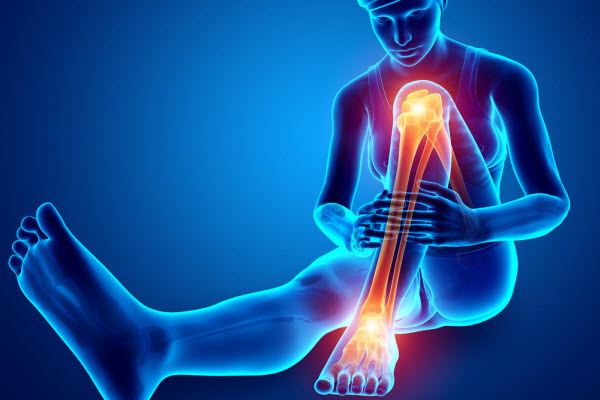
IMPORTANT NOTE: This Stream 1 module requires you to also complete Core (Stream 1) to become an approved assessor. Delivery: Webinar This is a Stream 1 module and it’s designed for doctors that have never successfully completed the Stream 1 module and do not hold that accreditation. Accreditation requires you to attend the session as well as successfully completing the module assessment. Successful completion of the module will lead to awarding of one accreditation: Lower Extremity If you have already successfully completed this module and you want to undertake continuing education, please go back to the homepage and enrol in Lower Extremity update (Stream 2). *Participants need to have their AMA4 Guide with them during the training. Module information The module covers the criteria from Chapter 3 of the Guides to evaluate permanent impairment of the lower extremity. The module includes: The various anatomic, diagnostic and functions methods which are used to evaluate impairment of the part of the lower extremity The logical path of consideration of what method is appropriate to evaluate any specific impairment of the lower extremity The logical path of consideration to derive an overall score for impairment of a lower extremity when there is more than one impairment The approach to disentangling potential overlaps of ratings with other chapters of the Guides Apportionment of Impairment: The approach required to disentangle what impairment may or may not be related to a compensable event. Read more
Content
Price

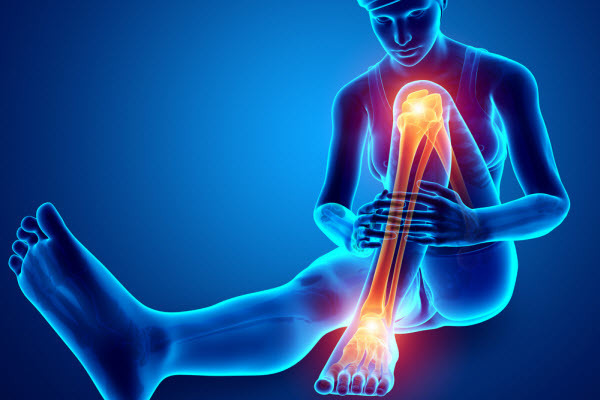
Delivery: Webinar This is a Stream 2 module and it’s designed for doctors that have already successfully completed the Stream 1 version of this module and hold that accreditation. Stream 2 modules do not have any assessment requirements, they will help you improve your proficiency by updating your skills in applying the AMA4 Guides and/or other prescribed assessment methods. Successful completion of the Stream 2 module will lead to awarding of one update to accreditation: Lower Extremity update If you have not already successfully completed the Stream 1 version of this module and you want to gain that accreditation, please go back to the homepage and enrol in Lower Extremity (Stream 1). *Participants need to have their AMA4 Guide with them during the training. Module information The module covers the criteria from Chapter 3 of the Guides to evaluate permanent impairment of the lower extremity. The module includes: The various anatomic, diagnostic and functions methods which are used to evaluate impairment of the part of the lower extremity The logical path of consideration of what method is appropriate to evaluate any specific impairment of the lower extremity The logical path of consideration to derive an overall score for impairment of a lower extremity when there is more than one impairment The approach to disentangling potential overlaps of ratings with other chapters of the Guides Apportionment of Impairment: The approach required to disentangle what impairment may or may not be related to a compensable event. Read more
Content
Price
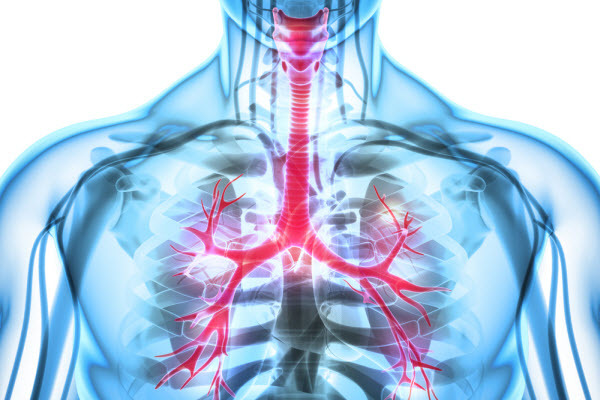
IMPORTANT NOTE: This Stream 1 module requires you to also complete Core (Stream 1) to become an approved assessor. Delivery: Webinar This is a Stream 1 module and it’s designed for doctors that have never successfully completed the Stream 1 module and do not hold the accreditation. Accreditation requires you to attend the session as well as successfully completing the module assessment. Successful completion of the module will lead to awarding of the following accreditation: Respiratory System and Respiratory System: Occupational Asthma If you have already successfully completed this module and you want to undertake continuing education, please go back to the homepage and enrol in Respiratory system update (Stream 2) and Respiratory system: Occupational Asthma update (Stream 2). *Participants need to bring their AMA4 Guide when they attend training. Module information This module covers assessment of respiratory abnormities using Chapter 5 of the Guides. It also covers the assessment of Occupational Asthma using an additional set of Guidelines which have been adopted for use in the WorkSafe and Wrongs Act jurisdictions, but not the TAC jurisdiction. The module includes: The types of injuries often associated with the three compensation jurisdictions that use the Guides. The Standards to which spirometry is to be conducted for the purposes of assessment using the Guides. The approach to derive a score of whole person impairment using Chapter 5. The approach to be taken when assessing occupational asthma. The approach to be taken to apportion an impairment score to account for extra pulmonary factors or pre-existing respiratory impairment. Read more
Content
Price
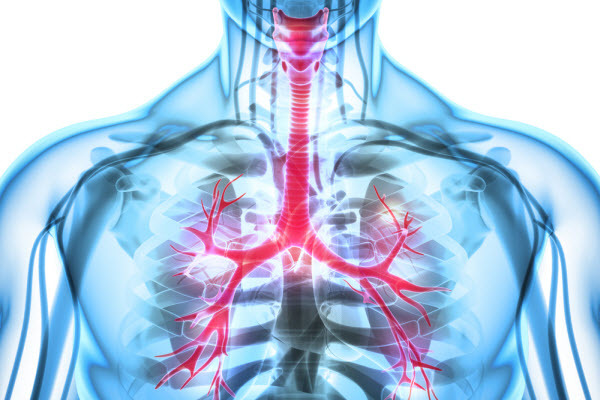
Delivery: Webinar This is a Stream 2 module and it’s designed for doctors who have already successfully completed the Steam 1 module and hold the accreditation. Stream 2 modules do not have any assessment requirements, they will help you improve your proficiency by updating your skills in applying the AMA4 Guides and/or other prescribed assessment methods. Successful completion of the Stream 2 module will lead to awarding of the following accreditation: Respiratory System update and Respiratory System: Occupational Asthma update If you have not already successfully completed the Stream 1 module and you want to gain this accreditations, please go back to the homepage and enrol in Respiratory System (Stream1), and Respiratory system: Occupational Asthma (Stream 1). *Participants need to bring their AMA4 Guide when they attend training. Module information This module covers assessment of respiratory abnormities using Chapter 5 of the Guides. It also covers the assessment of Occupational Asthma using an additional set of Guidelines which have been adopted for use in the WorkSafe and Wrongs Act jurisdictions, but not the TAC jurisdiction. The module includes: The types of injuries often associated with the three compensation jurisdictions that use the Guides. The Standards to which spirometry is to be conducted for the purposes of assessment using the Guides. The approach to derive a score of whole person impairment using Chapter 5. The approach to be taken when assessing occupational asthma. The approach to be taken to apportion an impairment score to account for extra pulmonary factors or pre-existing respiratory impairment. Read more
Content
Price

IMPORTANT NOTE: This Stream 1 module requires you to also complete Core (Stream 1) to become an approved assessor. Delivery: Webinar This is a Stream 1 module and it’s designed for doctors that have never successfully completed the Stream 1 module and do not hold that accreditation. Accreditation requires you to attend the session as well as successfully completing the module assessment. Successful completion of the module will lead to award of one accreditation: Hand and Upper Extremity If you have already successfully completed this module and you want to undertake continuing education, please go back to the homepage and enrol in Hand and Upper Extremity update (Stream 2). *Participants need to have their AMA4 Guide with them during the training program. Module information This module coves the criteria in Chapter 3 of the Guides to evaluate permanent impairments of the upper extremity. The module covers: The various specific methods that can be used in evaluation of impairment including abnormal motion, amputation, sensory or motor nerve dysfunction and ankylosis. The approach to be taken to choose the appropriate method for a particular case and how to derive an overall score when there are multiple impairment of an upper extremity. Discussion of the commonly seen disorders of the upper extremity in a compensation framework. Apportionment of Impairment: The approach required to disentangle what impairment may or may not be related to a compensable event. Read more
Content
Price
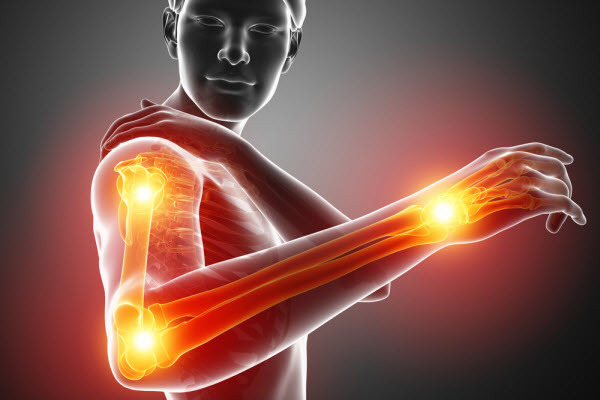
Delivery: Webinar This is a Stream 2 module and it’s designed for doctors that have already successfully completed the Stream 1 version of the module and hold that accreditation. Stream 2 modules do not have any assessment requirements, they will help you improve your proficiency by updating your skills in applying the AMA4 Guides and/or other prescribed assessment methods. If you have not already successfully completed the Stream 1 version of this module and you want to gain that accreditation, please go back to the homepage and enrol in Hand and Upper Extremity (Stream 1). Successful completion of the Stream 2 module will lead to awarding of one update to accreditation: Hand and Upper Extremity update *Participants need to have their AMA4 Guide with them during the training session. Module information This module coves the criteria in Chapter 3 of the Guides to evaluate permanent impairments of the upper extremity. The module covers: The various specific methods that can be used in evaluation of impairment including abnormal motion, amputation, sensory or motor nerve dysfunction and ankylosis. The approach to be taken to choose the appropriate method for a particular case and how to derive an overall score when there are multiple impairments of an upper extremity. Discussion of the commonly seen disorders of the upper extremity in a compensation framework. Apportionment of Impairment: The approach required to disentangle what impairment may or may not be related to a compensable event. Read more
Content
Price
Shopping Cart
Your cart is empty